
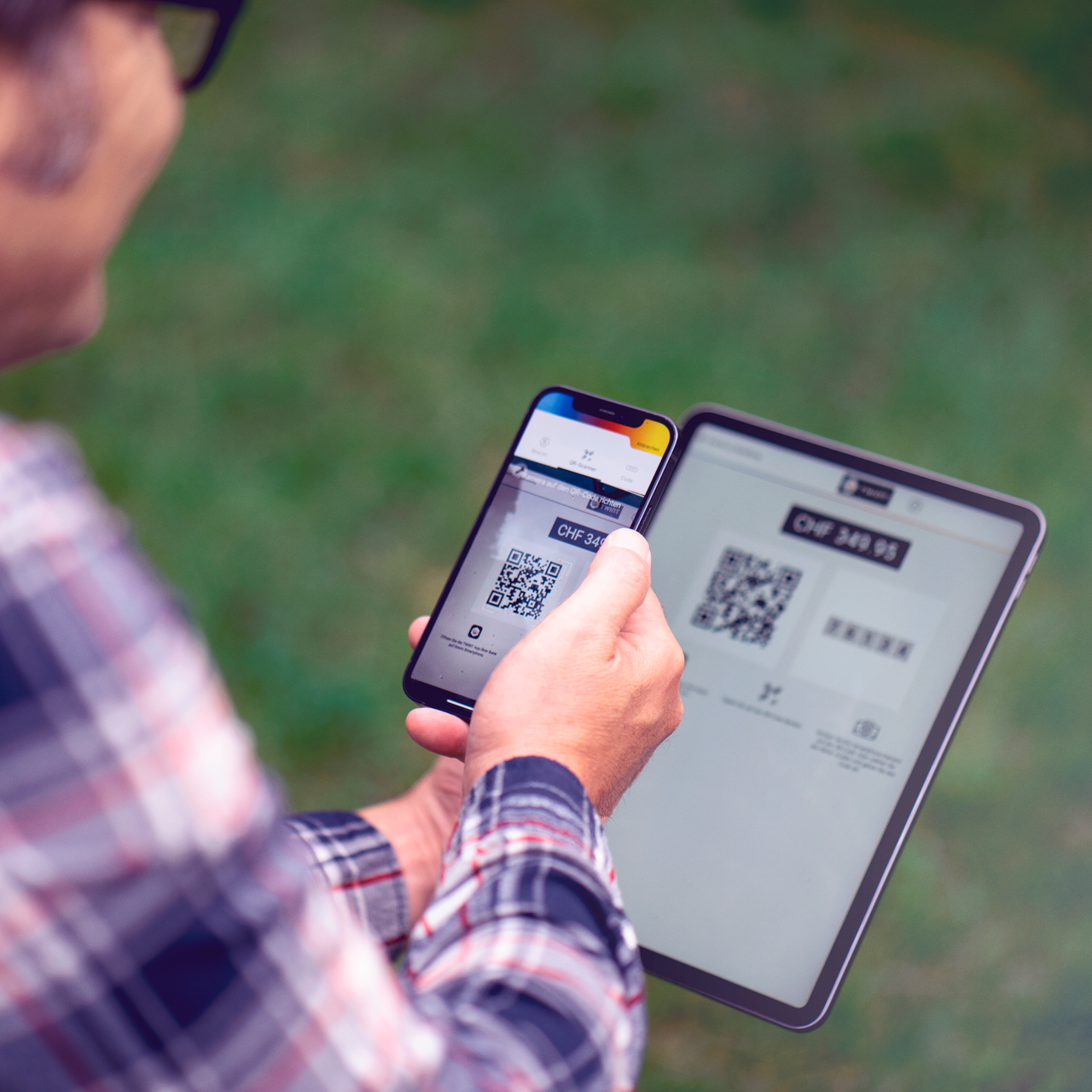
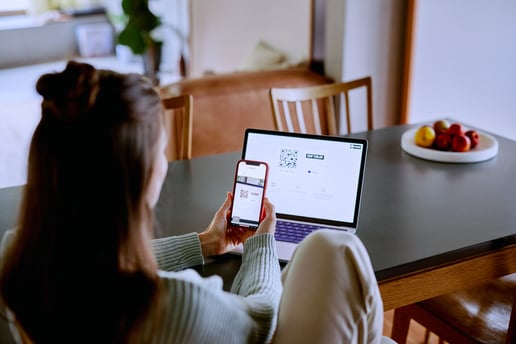
Actually, a QR code is not much different from the bar code found on many products. The main difference is that a QR code can contain much more information (up to 7,000 characters), for example payment information, but also location and product information. Other advantages are that it is less error-prone and is read faster. QR does not stand for Quick Response for nothing.
Despite the promising technology, it seemed that the QR code and thus QR code payment would die a quiet death. However, thanks in part to the corona epidemic, the QR code is now rapidly becoming established.
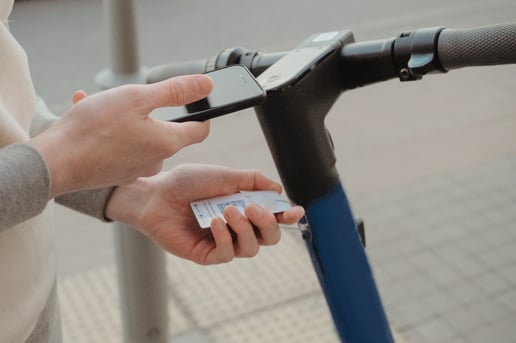
When paying, there are several times when a QR code can be used. It can be just a link to a payment environment. The page then still requires all data to be entered by the customer.
Because a QR code can contain more data, data such as amount, transaction number or personal data can also be "in" the QR code. This is, for example, if the QR code is linked to a cash register or if the sender of the QR code has already entered some data. Sometimes it is also possible to modify data on the phone, for example to tip.
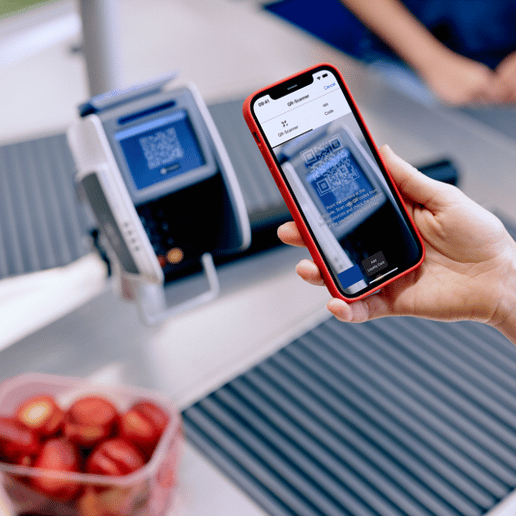
It is also common when paying with QR code, that the QR code is used for verification. This is for example when scanning the QR code in the checkout to verify and complete an iDEAL transaction.
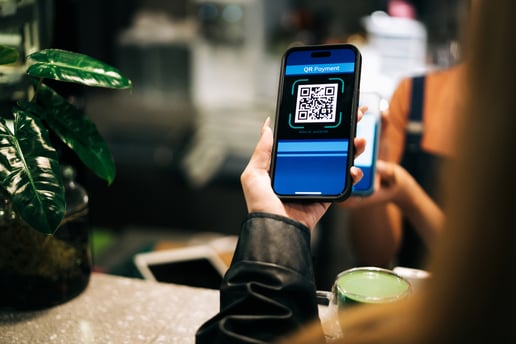
Using a QR code makes payments easier and faster by eliminating the need to use a credit card, cash or banking device. Instead, customers can use their phone to scan the QR code and complete the payment.
Often, scanning the QR code can be done simply with the phone's camera. But to reduce the risk of fraud, many QR codes are also only readable with the specific bank app, iDEAL app or Tikkie app. Pay. therefore always recommends using the corresponding app or the bank's app for a QR code payment.
The short answer is yes. Paying via QR code is secure. Of course, as with any financial transaction you do, it is advisable to take some precautions. Because even with QR codes there are chances of fraud. That's why we recommend these precautions: